

OPAL reactor running after maintenance shutdown
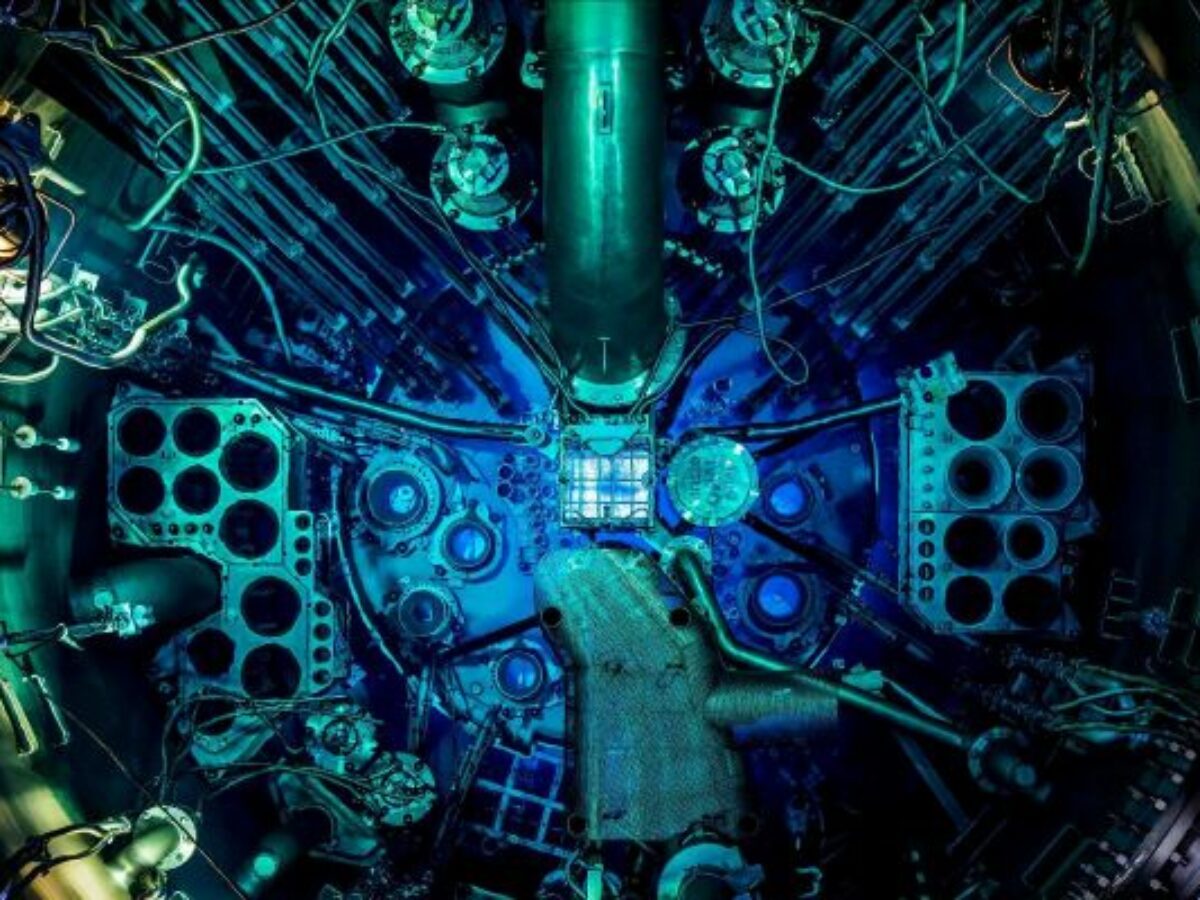
ANSTO’s OPAL research reactor at Lucas Heights in Sydney has recommenced operations following a months-long planned shutdown to carry out essential maintenance and upgrades.

Central to these upgrades was the elaborate replacement of OPAL’s cold neutron source, located next to the reactor core.
The three-metre-tall device slows down neutrons as they travel from the OPAL reactor through to the large scientific neutron beam instruments, allowing researchers to look at the structure of materials in atomic detail.
The planned shutdown also enabled extensive software and hardware upgrades to OPAL’s First Reactor Protection System, a digital system which monitors the reactor’s critical parameters.
This system is the first line of defence for OPAL to automatically shut down safely if these parameters are exceeded.
In the years leading up to the planned shutdown, a dedicated project team of ANSTO engineers and technicians designed and constructed a full-size mock-up of the OPAL reactor to support rehearsals and training activities.
ANSTO’s General Manager for the OPAL Reactor David Vittorio said this first-of-a-kind project for ANSTO required 10 years of intricate and sequential process planning.
Vittorio said: “OPAL is one of the most advanced and reliable research reactors in the world and is the centrepiece to some of ANSTO’s research and commercial operations at Lucas Heights.
“Since OPAL commenced operations 17 years ago, we’ve been in a constant state of forward planning for regular, scheduled maintenance periods to ensure OPAL continues to operate safely, reliably, and efficiently.
“This planned shutdown has been the most significant maintenance and upgrade program in OPAL’s history to date.
“We’re very fortunate to have extensive engineering and maintenance expertise, and decades of experience in running nuclear research reactors to accomplish these types of projects.”
In the 12 months prior to the planned shutdown, ANSTO’s project team performed multiple practice runs of the removal and installation of the cold neutron source, and crane manoeuvres using the life-size OPAL mock-up.
Over 100 bespoke hand tools were also designed and created by ANSTO’s engineering workshop to support a unique range of maintenance activities.
As Australia’s only nuclear reactor, OPAL produces neutrons that form the radioisotopes required for nuclear medicines to diagnose and treat a range of medical conditions and cancers.
OPAL also enables the supply of more than half of the global demand for irradiated silicon for use in electronics and green technologies.
Silicon irradiation and nuclear medicine production were temporarily paused during the OPAL reactor shutdown.
ANSTO worked with alternative suppliers overseas to import critical nuclear medicine products, providing essential nuclear medicine procedures to patients across Australia.
Picture: ANSTO



@aumanufacturing Sections
Analysis and Commentary Awards Casino reviews Defence Gambling Manufacturing News No deposit Bonus codes Online Casino Podcast Technology Videos