

Manufacturing is about quality and robots – not cheap wages
Following the launch of a new campaign by the Manufacturing Industry Skills Alliance aiming to “challenge outdated stereotypes” attached to manufacturing, Professor Beth Webster and Dr Alexander Gosling focus on some common misconceptions about what drives competitiveness in the industry.

It is a myth that manufacturing can only thrive in low wage environments.
Much publicly-aired discussion on government policies is grounded in out-of-date notions that manufacturing depends on cheap workers and economies of scale.
The business model has changed. Today’s champion manufacturers draw heavily from scientific and research bases and have business models that depend on a large premium for quality. They are often specialist producers for integrated global value chains and follow international product standards. Clear and clean intellectual property ownership is critical for these technologies.
AI and online distribution and information systems have reduced the tyranny of distance between Australian manufacturers and major markets. No longer do our buyers have to be wary of uncertainty over specifications and delivery dates as online sourcing, ordering and tracking systems give greater precision.
The cutting edge is solving human-machine interface issues and competence in virtual design is required for efficient manufacture. Over a third of all inventions filed at the Australian patent office now have embedded computer aspects (i.e. chips or sensors). Manufacturers compete on capabilities, reliability and quality as much as price.
There are many instances of hidden champions that generate disruptive products using Australia research and local manufacturing.
Victoria, alone, exports over $1.3 billion a year from the medtech sector. Nanosonics, for example, invented a new way to sterilise medical equipment and now exports almost all of its products.
The US company, Stryker, has set up manufacturing operations in Brisbane because of our research excellence and the speed at which Australians can take new ideas to market.
Micro-X leads the world in security, defence and medical sectors devices which are embedded with AI and automation using Australian research and Australian makers.
Advances are not limited to new industries. Bega, a producer of cheese, vegemite and peanut butter, has used AI and smart algorithms to reduce their gas consumption by half. Similar efficiency improvements are being carried out at the Australian companies Infrabuild, CableX, Sutton Tools and Ferngrove Pharmaceuticals.
What has changed is the thinking around the best way governments can support for-profit companies. Equity, soft loans, procurement and warranties are considered better uses of public monies than large grants. Specialist bureaux to steer critical industries through the time-consuming maze of regulations and approvals can make the difference between businesses thriving or just surviving.
Some of the old issues remain for manufacturers – agglomerations and shared knowledge through worker mobility still matter. There is still room for improvement in accessing global value chains and markets for technology.
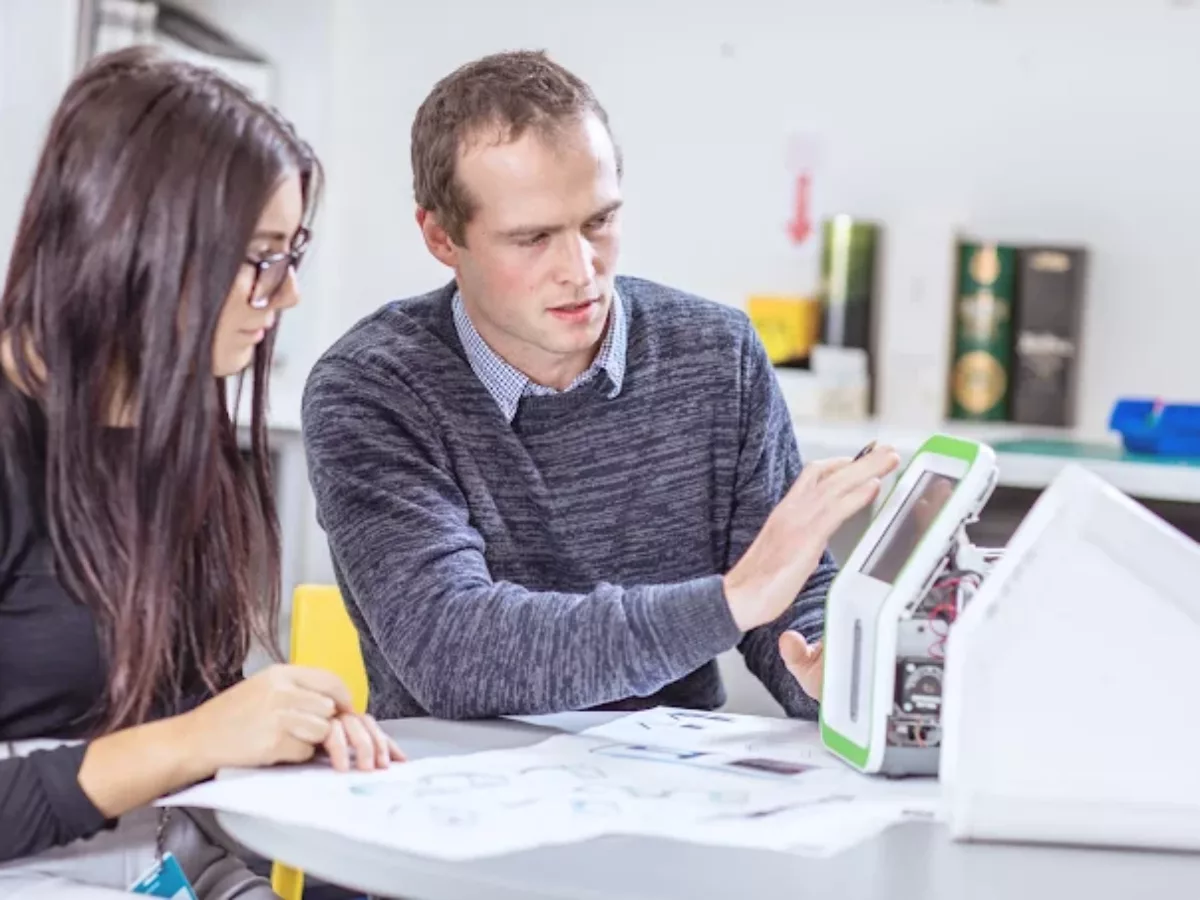
Picture: credit Invetech
Professor Beth Webster is Director and Ronald Henderson Chair, Melbourne Institute of Applied Economic & Social Research, The University of Melbourne. Dr Alexander Gosling is a specialist in technology commercialisation and strategy for the development of start up companies.
Further reading
Stryker opens new Brisbane R&D lab
Nanosonics launches next generation trophon3 and trophon2 Plus software upgrade
Micro-X awarded first supply agreement with a major US healthcare provider
Swinburne and Sutton Tools join forces for smart manufacturing



@aumanufacturing Sections
Analysis and Commentary Awards Casino reviews Defence Gambling Manufacturing News No deposit Bonus codes Online Casino Podcast Technology Videos