

Personalized Casino Bonuses Using AI
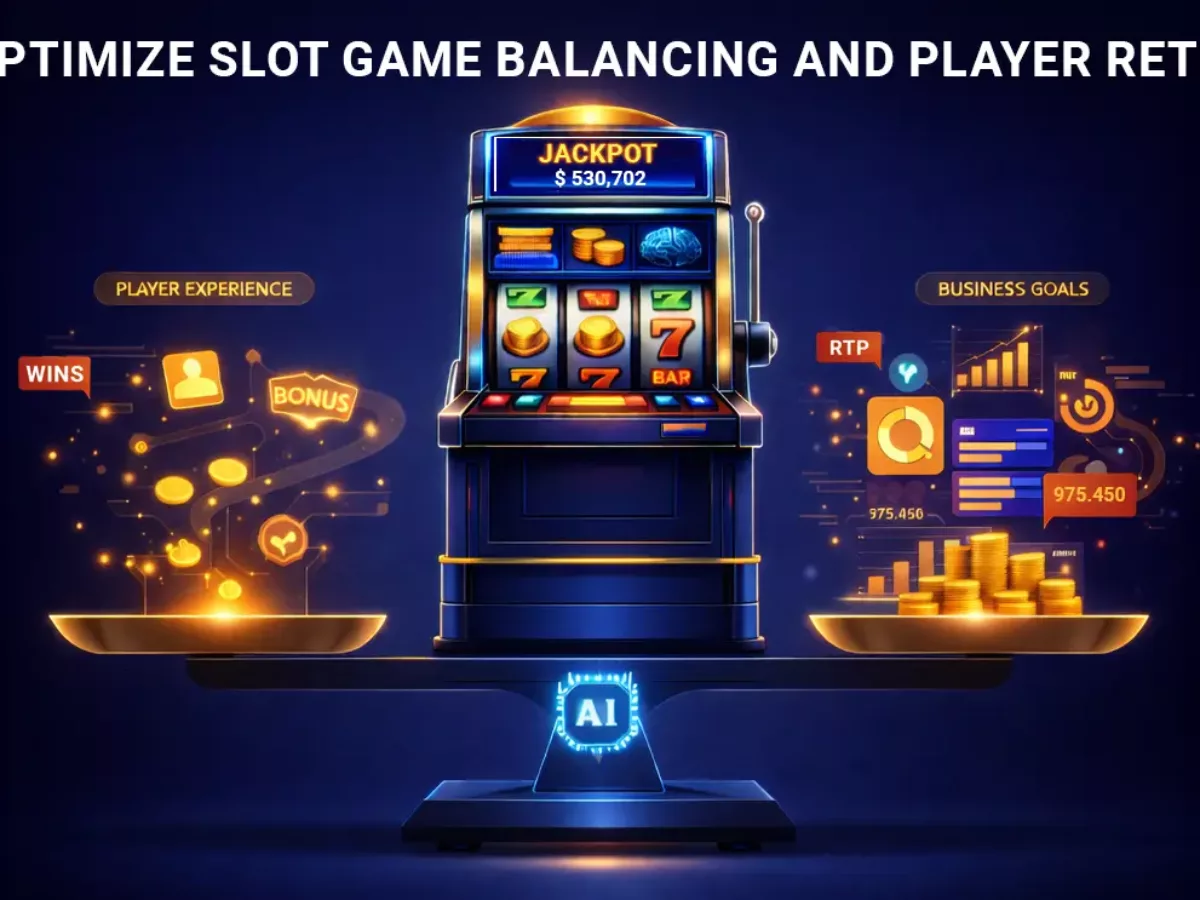
Artificial Intelligence (AI) is rapidly transforming nearly every digital industry, and online gambling is no exception. Among the most significant innovations in this space is the emergence of personalized casino bonuses powered by AI. Traditional casino promotions were once generic, offering the same welcome bonuses, free spins, or cashback deals to all players regardless of their behavior or preferences. However, modern AI systems are changing that approach entirely.

Today, online casinos use advanced algorithms to analyze player data and create highly tailored bonus offers. These personalized incentives are designed to match individual playing styles, spending habits, and engagement patterns. As a result, players receive promotions that feel more relevant and engaging, while casinos benefit from improved retention and increased revenue.
However, this shift also raises important concerns. Is personalization enhancing the gaming experience, or is it subtly encouraging players to gamble more than they should? In this in-depth article, we will explore how AI-driven personalized casino bonuses work, their advantages, potential risks, ethical implications, and what the future holds for this evolving technology.
What Are Personalized Casino Bonuses?
Personalized casino bonuses are promotional offers specifically tailored to individual players using artificial intelligence and data analytics. Unlike traditional bonuses that apply to everyone, these offers are customized based on a player's unique behavior and interaction with the platform.
For example, a player who frequently plays slot games may receive free spins on their favorite titles, while a high-stakes poker player might be offered cashback on losses or exclusive VIP rewards. This level of customization is made possible by analyzing large amounts of user data in real time.
These bonuses can take many forms, including deposit matches, reload bonuses, loyalty rewards, risk-free bets, and time-sensitive offers designed to encourage continued engagement. The key difference lies in how these offers are delivered—not as mass promotions, but as targeted incentives designed for maximum impact.
How AI Personalizes Casino Bonuses
AI-driven personalization relies on a multi-step process that combines data collection, analysis, and predictive modeling. Each step plays a crucial role in ensuring that the bonuses offered are both relevant and effective.
The process begins with data collection. Online casinos track a wide range of user activities, including the types of games played, session duration, betting frequency, deposit amounts, and win-loss patterns. This data provides a comprehensive view of each player's behavior.
Next comes behavior analysis. Machine learning algorithms process this data to identify patterns and trends. For instance, the system might detect that a player prefers playing during weekends or tends to increase bets after a win.
Once patterns are identified, players are segmented into groups with similar characteristics. Some advanced systems go even further by creating one-to-one personalization, where each user receives a completely unique offer.
Finally, AI generates customized bonuses and continuously refines them based on user response. If a player ignores a certain type of offer, the system adapts and tries a different approach. This continuous learning loop ensures that personalization becomes more accurate over time.
Technologies Behind AI Personalization
Several core technologies power AI-driven casino bonuses. Machine learning is at the heart of the system, enabling algorithms to learn from historical data and improve predictions over time. Deep learning models further enhance this capability by identifying complex behavioral patterns that are not immediately obvious.
Predictive analytics plays a critical role by forecasting which types of bonuses are most likely to engage a player. For example, the system can predict whether a player is more responsive to free spins or cashback offers.
Natural Language Processing (NLP) is another important component. It allows AI systems to analyze customer feedback, chat interactions, and even social media activity to better understand player sentiment.
All of these technologies rely heavily on big data. Without access to large and diverse datasets, AI systems would not be able to deliver meaningful personalization.
Benefits of Personalized Casino Bonuses
One of the most obvious advantages of AI-powered bonuses is the improved user experience. Players are more likely to engage with offers that align with their interests, making the gaming experience more enjoyable and less frustrating.
Personalization also increases player engagement. When users receive relevant bonuses, they are more likely to return to the platform and spend more time playing. This leads to higher retention rates, which is a major goal for online casinos.
Another key benefit is efficiency. Instead of spending resources on broad marketing campaigns, casinos can focus on targeted promotions that yield better results. This not only improves profitability but also reduces wasted effort.
For players, personalized bonuses can provide better value. Instead of receiving irrelevant offers, they get promotions that actually match their playing style. This can enhance satisfaction and make the overall experience feel more rewarding.
Risks and Challenges
Despite its advantages, AI-driven personalization is not without risks. One of the biggest concerns is that highly targeted bonuses may encourage excessive gambling. By offering incentives at the right moment, AI systems can nudge players to continue playing even when they might otherwise stop.
Data privacy is another major issue. Personalized bonuses rely on extensive data collection, which raises questions about how this information is stored, used, and protected. Players may not always be aware of the extent to which their behavior is being analyzed.
There is also the issue of transparency. Many players do not understand how AI systems determine which bonuses they receive. This lack of clarity can lead to mistrust and concerns about fairness.
Additionally, AI systems can sometimes reinforce negative behaviors. For example, a player who frequently chases losses might receive offers that encourage further risky behavior. This highlights the importance of responsible AI implementation.
AI Personalization vs Traditional Bonuses
Traditional casino bonuses were designed with a one-size-fits-all approach. While simple to implement, they often failed to engage players effectively. Many users ignored these offers because they were not relevant to their interests.
In contrast, AI-powered personalization allows casinos to deliver dynamic and adaptive bonuses. These offers can change based on real-time behavior, making them far more effective. However, this increased effectiveness also raises ethical concerns, as it gives casinos greater influence over player behavior.
Ethical Considerations
The use of AI in gambling raises important ethical questions. Should casinos be allowed to use advanced algorithms to influence player behavior? Is it fair to target individuals with personalized incentives that may encourage excessive spending?
Responsible gambling practices are essential in addressing these concerns. Many platforms are now incorporating safeguards such as spending limits, self-exclusion options, and AI-driven detection of problematic behavior.
However, the balance between personalization and responsibility remains a complex challenge. Regulators and industry stakeholders must work together to ensure that AI is used ethically.
Legal and Regulatory Landscape
The legality of AI-driven casino bonuses varies by region. In many jurisdictions, data protection laws such as GDPR require casinos to be transparent about how user data is collected and used.
Regulators are also increasingly focusing on responsible gambling. This includes ensuring that personalized bonuses do not exploit vulnerable players. As AI technology continues to evolve, legal frameworks will need to adapt accordingly.
Future of AI in Casino Bonuses
The future of personalized casino bonuses is likely to be shaped by continued advancements in AI technology. Real-time personalization will become more sophisticated, allowing casinos to adjust offers instantly based on player behavior.
Blockchain technology may also play a role by increasing transparency and trust. Players could have more control over their data and better insight into how bonuses are generated.
Another emerging trend is hyper-personalization, where AI systems create highly detailed player profiles to deliver even more precise recommendations. While this could enhance user experience, it also raises further ethical and privacy concerns.
Best Practices for Players
Players should approach personalized bonuses with caution. Setting a strict budget is essential to avoid overspending. It is also important to read the terms and conditions of each offer, as they may include wagering requirements or restrictions.
Limiting playtime and avoiding the temptation to chase losses can help maintain control. Additionally, players should make use of responsible gaming tools provided by casinos.
Frequently Asked Questions
What are personalized casino bonuses?
They are AI-driven promotions tailored to individual players based on their behavior and preferences.
Are AI-powered bonuses safe?
They can be safe if used responsibly, but they also carry risks related to data privacy and gambling behavior.
Do personalized bonuses increase winnings?
Not necessarily. They are designed to increase engagement, not guarantee profits.
Is my data secure?
This depends on the casino's data protection policies and compliance with regulations.
Conclusion
AI-driven personalized casino bonuses represent a major shift in the online gambling industry. By leveraging data and advanced algorithms, casinos can create highly targeted promotions that enhance user experience and increase engagement.
However, this innovation also comes with significant risks. Issues related to data privacy, ethical concerns, and responsible gambling cannot be ignored. Players must remain aware of these challenges and approach personalized bonuses with caution.
Ultimately, the success of AI in this space will depend on how responsibly it is implemented. When used ethically, it has the potential to improve the gaming experience. When misused, it can lead to negative consequences for players.
Final Thoughts
Personalized casino bonuses powered by AI are neither entirely beneficial nor entirely harmful. They represent a powerful tool that can enhance engagement while also introducing new risks.
The future will depend on finding the right balance between innovation and responsibility. For players, the key is to stay informed, remain disciplined, and treat AI as a tool—not a guarantee of success.




@aumanufacturing Sections
Analysis and Commentary Awards Casino reviews Defence Gambling Manufacturing News No deposit Bonus codes Online Casino Podcast Technology Videos