

Ethical Clothing Australia ‘setting a gold standard’ in preventing exploitation: Australian Human Rights Institute research
Sponsored

New research has found that Ethical Clothing Australia’s accreditation program is a global leader in protecting and upholding the rights of textile, clothing and footwear workers.
The report, commissioned by the accreditation body and authored by the Australian Human Rights Institute, examines how Ethical Clothing Australia’s accreditation program aligns with relevant legislation and regulations for preventing exploitation in the industry.
It looked at global and local counterparts involved in improving standards in the sector and found that Ethical Clothing Australia is setting the gold standard, clearly standing out from other comparative global accreditation schemes.
Report author Professor Justine Nolan, Director of the Australian Human Rights Institute, says that three key areas demonstrate that Ethical Clothing Australia’s program is a global leader and differentiator in the market.
“The involvement of the Timber, Furnishing and Textiles Union as a key audit assessor makes it distinct from all of its other global counterparts,” Professor Nolan said.
“Their ability to effectively and consistently undertake worker outreach is a major advantage as they are able to build rapport with workers and empower them to engage in more open dialogue.
“This is further reinforced by a focus on transparency and remediation as well as a model that creates leverage in local supply chains to amplify its influence.”
These factors mean it transcends the ‘on-paper’ approach of many other audits, which are focussed on identifying risks. Instead, Ethical Clothing Australia’s approach focuses on diligent mapping of local supply chains and accreditation being conditional on all issues being remediated.
Ethical Clothing Australia’s National Manager, Rachel Reilly, says this is further evidence of their program’s effectiveness and reinforces the need for greater uptake across the local industry.
“It is heartening to see further evidence that our program is not only effective, but also a global leader in preventing exploitation amongst TCF workers. It builds on recent praise from the UN’s Special Rapporteur on contemporary forms of slavery,” Reilly said.
“Our organisation has been working hard for a quarter of a century to ensure that workers in the industry, who are often at risk of exploitation, can work in a safe environment and be paid fairly.
“There is still a reluctance from many businesses to undergo accreditation and a lack of awareness amongst the private sector on how this accreditation program can actually help them to meet their modern slavery reporting obligations.”
Ethical Clothing Australia is calling on the government to adopt policies that leverage the accreditation program in their own response to modern slavery.
“More and more, we are hearing from leading voices both here and abroad that businesses need to evolve from reviewing and understanding modern slavery risks to preventing exploitation from happening altogether. This report is further evidence that our model has a key role to play in making this evolution a reality.”
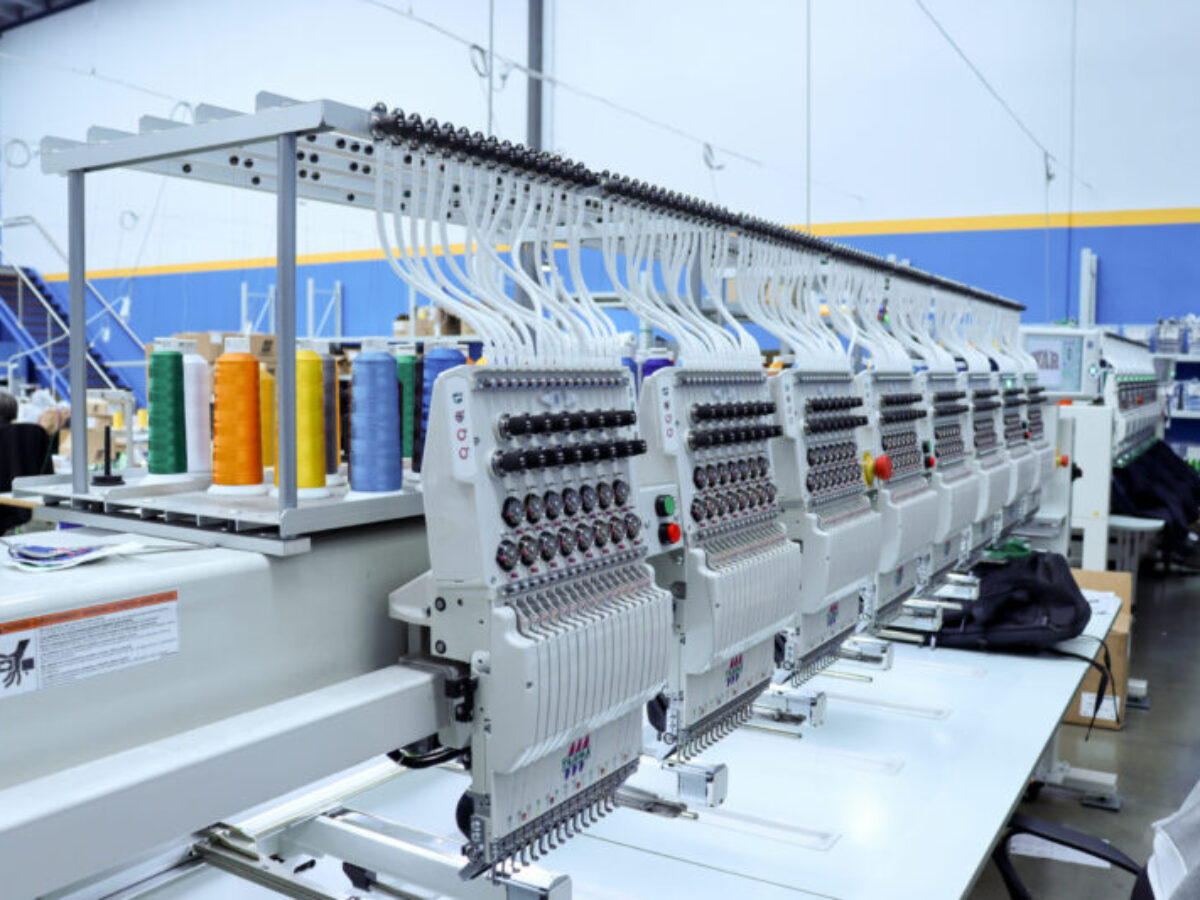
Picture: credit Struddys Apparel
Further reading
TCF on show in Melbourne this month: “There is a local industry and it’s not just fashion”
Peek behind the seams to witness 25 years of impact during Ethical Clothing Australia Week

More in this section
@aumanufacturing Sections
Analysis and Commentary Awards Casino reviews Defence Gambling Manufacturing News No deposit Bonus codes Online Casino Podcast Technology Videos