

Gallium arsenide chip can detect and measure nanoplastics pollution in water
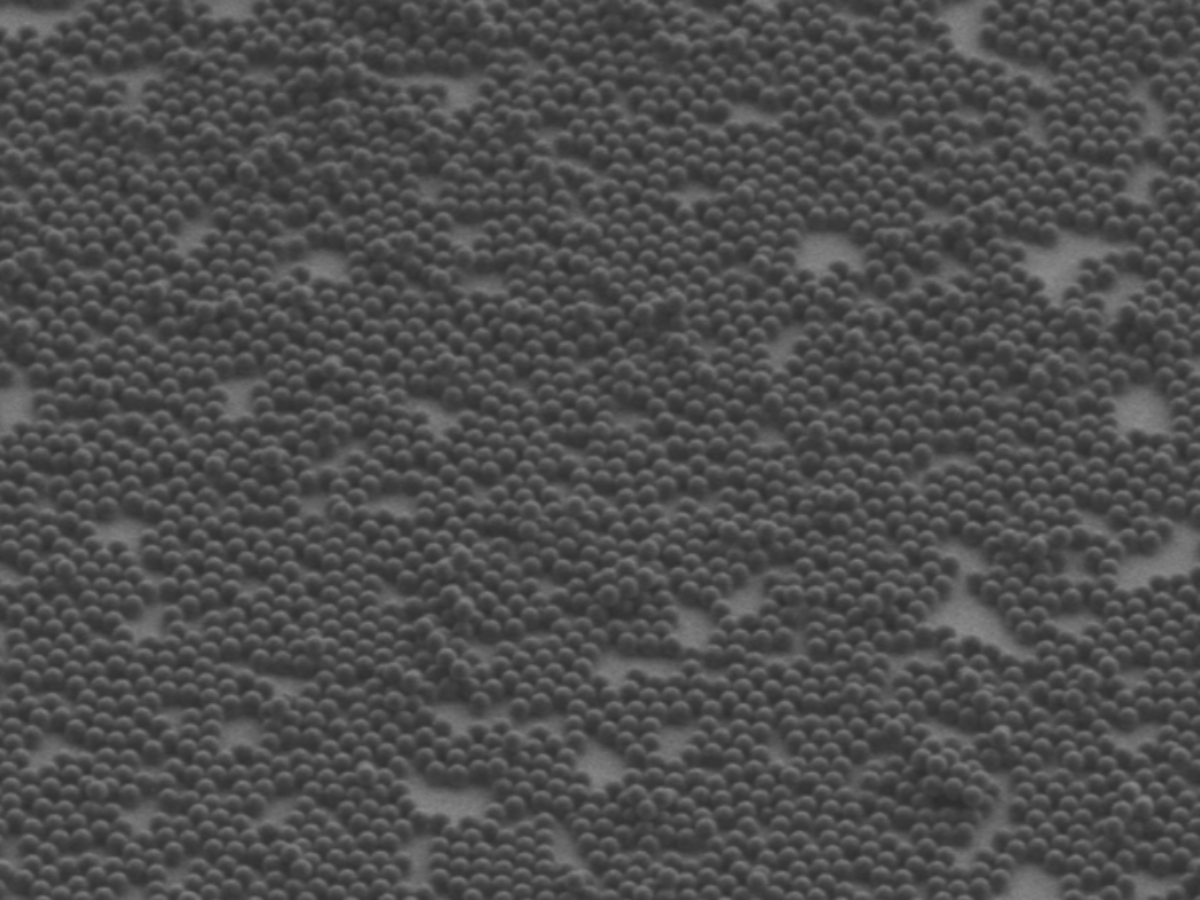
Researchers at University of Melbourne and Germany’s University of Stuttgart have developed a photonics-based method, which they say is able to detect nanoplastics as well as being “cheap, portable and powerful”.
According to a statement from University of Melbourne on Tuesday, the invention offers hope for scalable monitoring of a type of pollution that can persist in an environment for centuries, and can cost-effectively detect, classify and count nanoplastic particles in real-world settings.
Nanoplastics are described as less-well-known than microplastics, while also being “more insidious, infiltrating food, water, and even human organs” and being harder to detect.
“Until now, detecting and sizing plastic particles with diameters below a micrometre – one millionth of a metre – has relied on costly tools such as scanning electron microscopes, and been nearly impossible outside advanced laboratories, leaving us blind to their true impact,” Dr Lukas Wesemann, a postdoctoral researcher at Uni Melbourne until earlier this year, said.
“Our novel optical sieve is an array of tiny cavities of varying sizes in a gallium arsenide microchip.”
When a liquid containing nanoplastics is poured over it, each plastic particle “is captured in a void of matching size,” and then sorted into categories down to a diameter of 200 nanometres, the release states.
“Crucially, it requires only an optical microscope and a basic camera to observe distinct colour changes to light reflecting off the sieve, which allows us to detect and count the sorted particles,” added Wesemann.
The research was published in Nature Photonics on Tuesday.
The university said research was validated using “lake water mixed with nanoplastics,” and future testing could potentially include identifying nanoplastics in blood samples.
According to his Linkedin profile, Wesemann became an AI Research Scientist at Maincode earlier this year. The startup recently shared its intention to offer “Australia’s first sovereign large language model”, named Matilda.
Picture: credit Dr Lukas Wesemann, University of Melbourne, and Mario Hentschel, University of Stuttgart.
More in this section
@aumanufacturing Sections
Analysis and Commentary Awards casino reviews Defence Gambling Manufacturing News Online Casino Podcast Technology Videos