

Hazer Group raises $10 million to commercialise methane pyrolysis technology
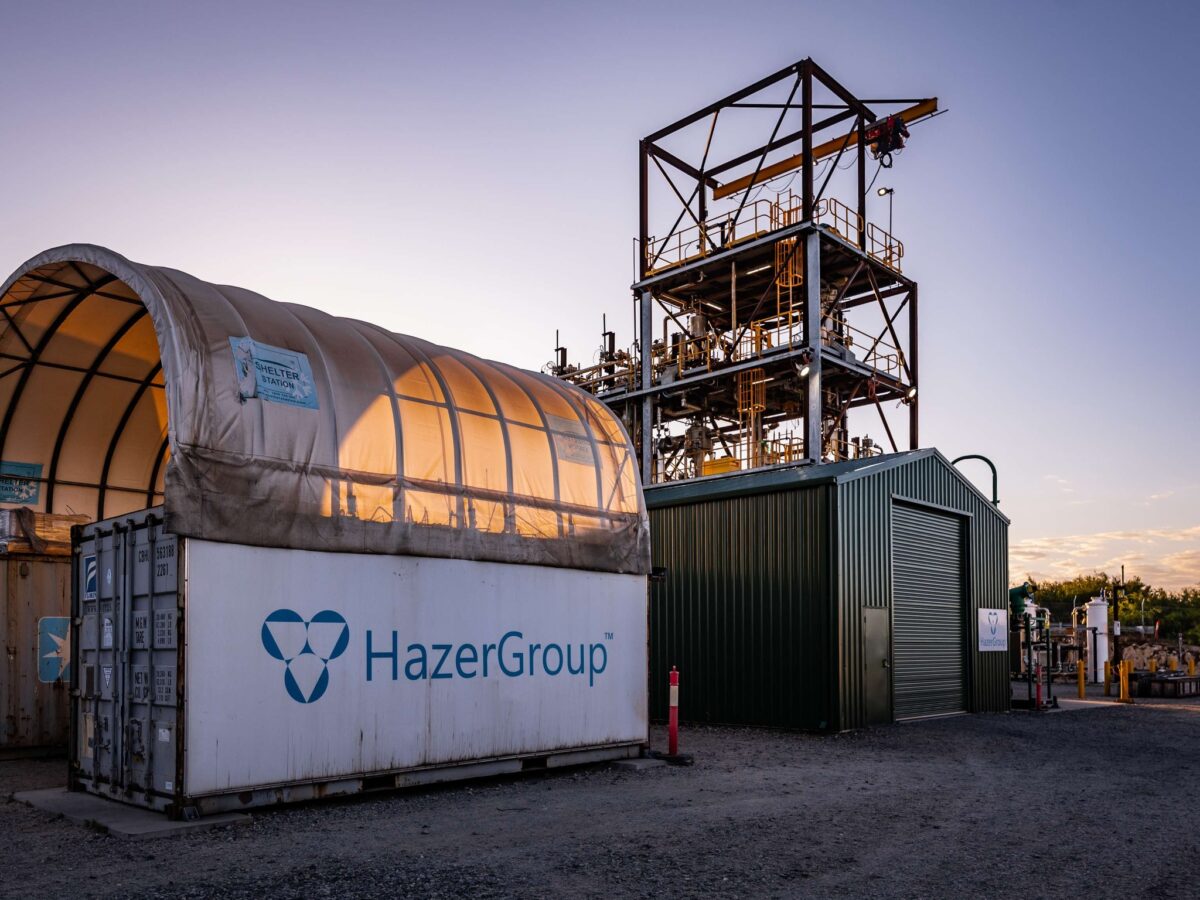
Hazer Group announced on Monday it had raised $10 million through a placement and share purchase plan to drive commercialisation of its methane pyrolysis technology for clean hydrogen production.

The Perth-based technology company successfully raised $8 million from existing and new institutional and sophisticated investors through a placement at 31 cents per share, representing a 13.9 per cent discount to the last trade price.
The company also launched a share purchase plan for eligible shareholders to raise an additional $2 million, offering existing shareholders the opportunity to purchase shares on the same terms without brokerage costs.
Chief Executive Glenn Corrie said Hazer was entering a pivotal phase in advancing its methane pyrolysis technology, which produces clean hydrogen and high-purity graphite using natural gas or biogas feedstock with iron ore as a catalyst.
“Today's global hydrogen industry is at a crossroads – current production remains unsustainably CO2 intensive while large-scale green hydrogen solutions continue to face commercial and technical challenges in the near-term,” Corrie said.
The funds will be used to advance and scale up Hazer's proprietary methane reactor technology, progress synthetic graphite product development, accelerate partner engagement for binding licensing agreements, and extend working capital runway.
Directors and management committed more than $1 million to the placement, subject to shareholder approval, demonstrating internal support for the strategy.
The company said the capital raise, combined with existing cash and non-dilutive funding from Canadian revenues, grants and R&D rebates, would strengthen its balance sheet and extend its runway through key strategic milestones.
Hazer recently announced a strategic alliance with engineering company KBR to accelerate global commercialisation of its technology for producing clean hydrogen and graphite to support decarbonisation of hard-to-abate sectors.
Picture: credit Facebook



@aumanufacturing Sections
Analysis and Commentary Awards Casino reviews Defence Gambling Manufacturing News No deposit Bonus codes Online Casino Podcast Technology Videos