

Magnetic resin for removing PFAS from wastewater to be developed through CRC-P
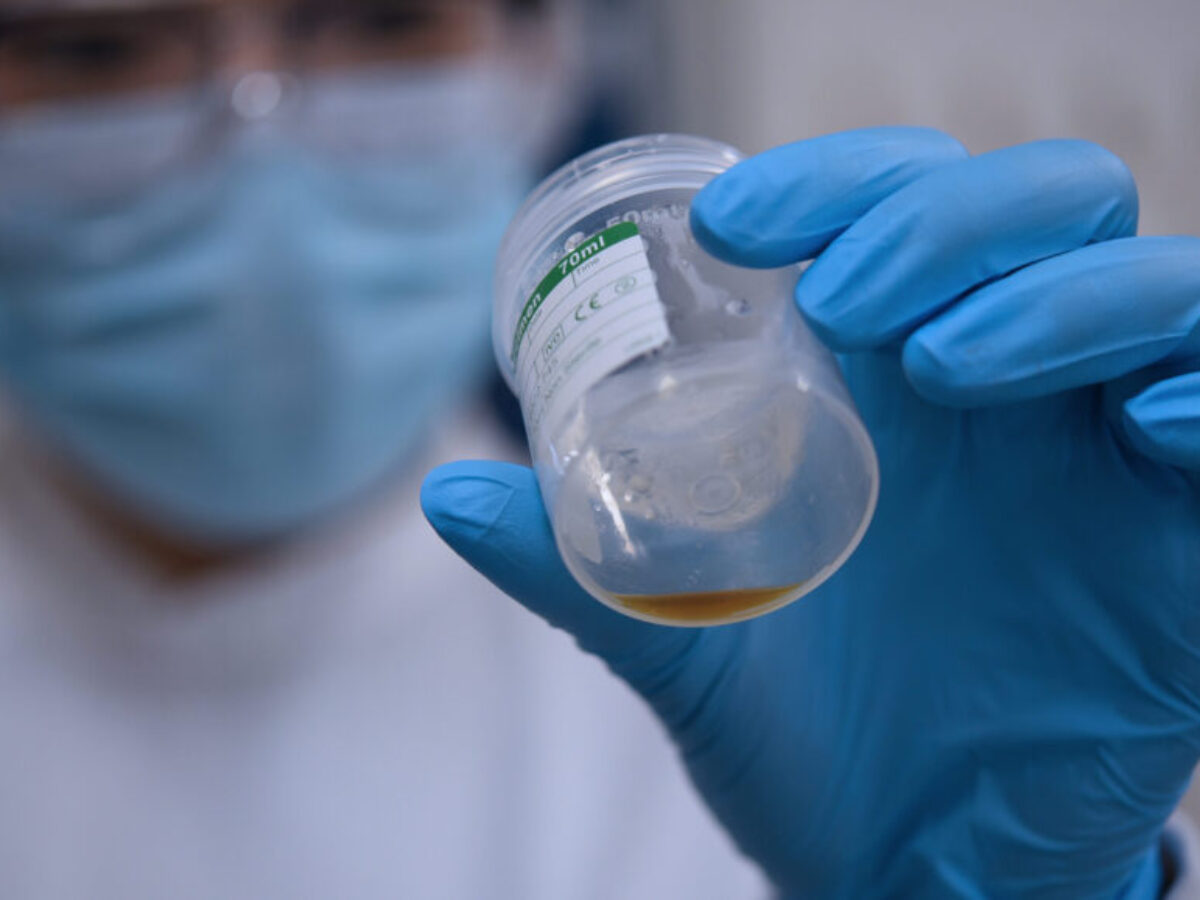
A new magnetic resin sorbent developed at University of Queensland will soon be trialled to remove PFAS, enabling treated biosolids to be reused as fertiliser.

The substance was developed at the university’s Australian Institute for Bioengineering and Nanotechnology (AIBN) by Dr Cheng Zhang, whose team will work with collaborative partners to apply it to semi-solid effluent.
The three-year project is budgeted at $7 million and has received a $2 million Cooperative Research Centres Project (CRC-P) grant. It aims to produce a scalable product “that puts Australia at the forefront of global PFAS management.” Industry partners include ALS, GlobalSync LLC Humanitarian Foundation, Shimadzu Oceania, and ViridAU.
Zhang said Australia’s roughly 700 wastewater treatment plants are “among the last lines of defence” when it comes to PFAS.
“But completely removing PFAS from the materials we flush down the drain – especially heavier organic matter – is not a simple task,” Zhang said in a statement on Tuesday.
“What we have created is a product that protects human and environmental health without completely re-engineering the systems already in place.”
The release adds that the resin is an alternative to the high-temperature (and energy-hungry) treatment methods of pyrolysis and incineration, which also create pollutants of their own.
Zhang’s PFAS technology can produce compost for agricultural and landscaping applications from biosolids, and has been patented by UniQuest, UQ’s commercialisation arm.
Picture: supplied
Further reading
Pyrocal to build biosolids processing facility in Canada

More in this section




@aumanufacturing Sections
Analysis and Commentary Awards Casino reviews Defence Gambling Manufacturing News No deposit Bonus codes Online Casino Podcast Technology Videos