
Researchers’ “breakthrough catalyst” could deliver much more useful zinc air batteries: Monash University

Researchers have developed a new catalyst that Monash University says could bring zinc-air batteries “closer to real-world, grid-scale and transport uses”. According to a statement from the university on Monday, the catalyst is able to make the batteries oxygen reactions “much faster and more efficient”, and “[offer] more power, longer life and lower costs.” The…

Monash claims research could see compact rooftop flow batteries on the market “in a few years’ time”

A new water-based battery developed by Monash University research engineers could one day help households “store rooftop solar energy more safely, cheaply and efficiently”, according to the university. The new battery makes use of a “new membrane design [which] fixes the speed problem” normally attached to flow batteries, and which normally limits their use to…

Firefighting foam face-off: CDU’s quest for a greener blaze buster

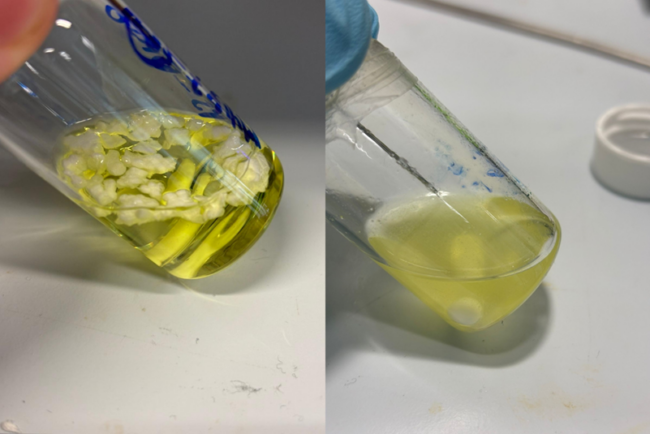
Charles Darwin University (CDU) is turning up the heat on innovative, eco-friendly solutions with their latest project aimed at enhancing the effectiveness of fluorine-free firefighting foams (F3). As global efforts intensify to phase out PFAS-based foams—dubbed ‘forever chemicals’ for their environmental persistence—CDU’s initiative, supported by the United States Department of Defense, aims to create safer…

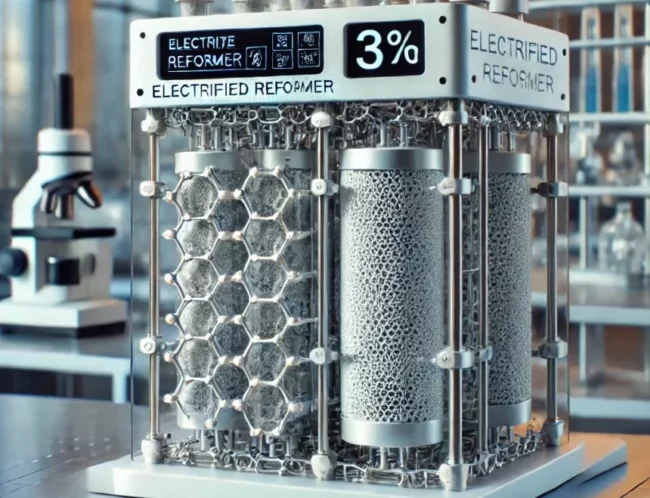
New electrified gas reformer promises lower costs versus traditional approaches

A novel electrified reactor developed by Monash University researchers could offer a lower-temperature, lower-cost and environmentally gentler alternative to chemical manufacturers using methane reforming to make syngas, according to the university. In a statement on Wednesday, Monash said the reactor for dry reforming of methane (DRM) could cut emissions by up to 60 per cent…

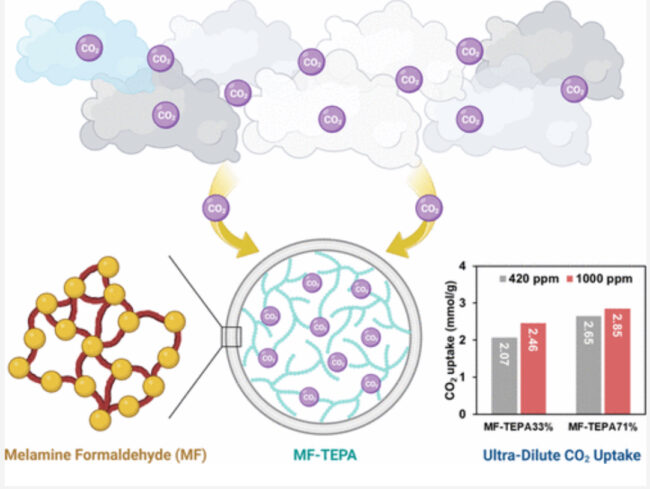
Monash team makes “significant advance towards commercialisation” for carbon capture

Monash University researchers have developed a new family of materials claimed to be “relatively easily” and affordably made and able to capture excess carbon dioxide from the atmosphere. According to a statement from the university on Thursday, “meso-macroporous melamine formaldehyde (MF)” is a promising base for direct air capture (DAC) of CO2. MF is made…