

UQ to conduct world-first tests into magnetic heat shields to improve spaceship re-entry
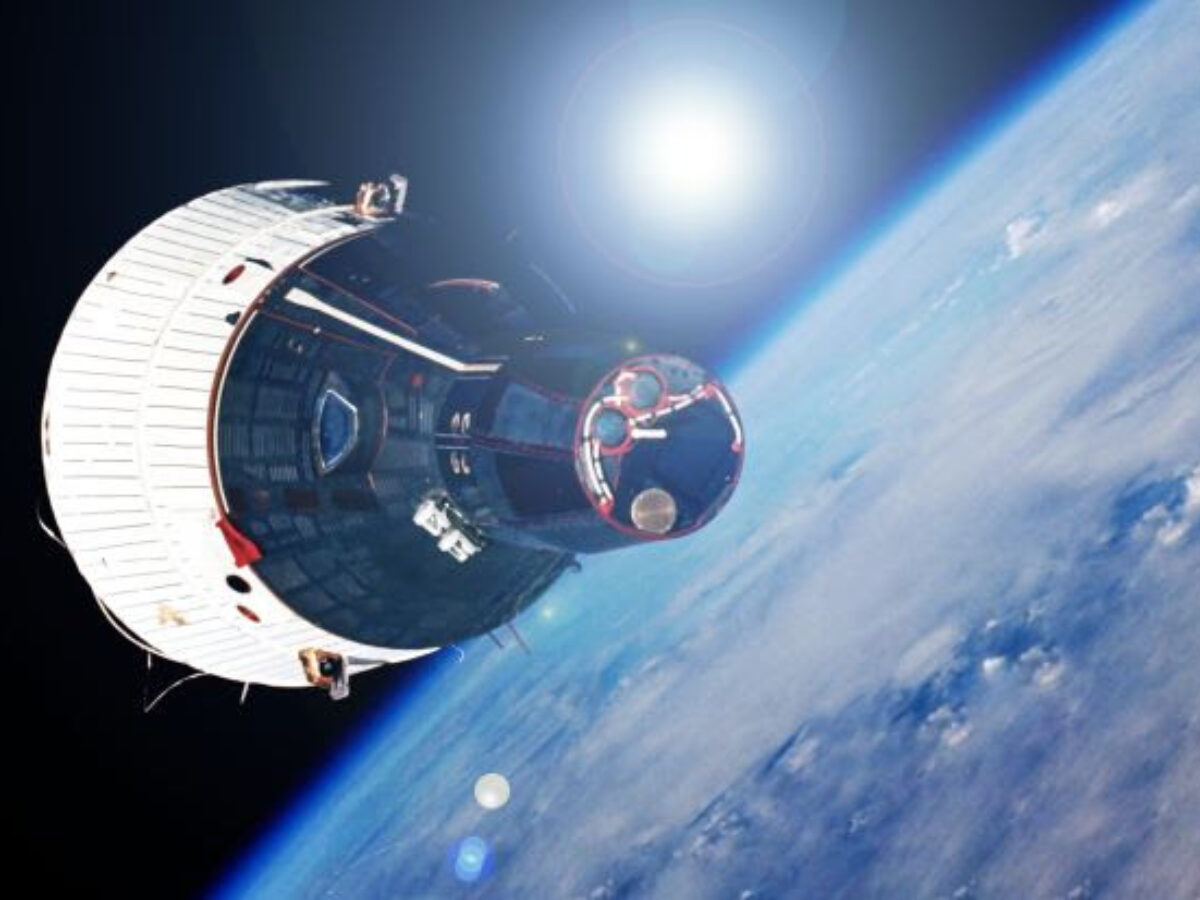
Picture this: a spacecraft hurtling towards Earth at over 30,000 kilometres per hour, surrounded by a blazing fireball hot enough to melt steel. Now imagine deflecting that inferno with nothing but the power of magnets.

That's exactly what University of Queensland researchers are working on in what sounds like something straight out of a science fiction movie, but is actually cutting-edge science that could revolutionise space travel.
Dr David Gildfind and his team at the School of Mechanical and Mining Engineering are conducting the world's first experiments to determine how spacecraft size affects magnetic heat shield performance, potentially making future Mars missions lighter, cheaper and significantly cooler.
The problem they're tackling is intense heating during atmospheric re-entry, where air compression around spacecraft creates temperatures so extreme that the surrounding atmosphere turns into super-hot plasma.
“When the magnet pushes at the plasma, the plasma pushes back on the spacecraft, helping to slow the spacecraft down,” Dr Gildfind explained.
“The idea with this is it gives you extra braking earlier on to help slow the spacecraft down before the fireball reaches peak intensity and g-forces become intolerable.”
Instead of relying solely on conventional thermal protection like the ceramic tiles used on NASA's space shuttles, this magnetic approach could actively deflect the plasma away from the spacecraft, reducing surface temperatures and allowing for lighter thermal protection systems.
The concept might sound like magic, but UQ's Centre for Hypersonics is already recognised as the world's leading university-based research group for hypersonics, having gained international attention two decades ago for conducting the first atmospheric scramjet test.
“The truth is, this is uncharted territory in the field of spacecraft design,” Dr Gildfind said, describing the physics involved as “incredibly complex.”
The research, supported by a $610,710 ARC grant, aims to test the technology for large, crewed capsules returning from Mars.
Picture: credit University of Queensland



@aumanufacturing Sections
Analysis and Commentary Awards Casino reviews Defence Gambling Manufacturing News No deposit Bonus codes Online Casino Podcast Technology Videos