

Wagner advances large-scale SAF ambitions with Toowoomba Terminal launch
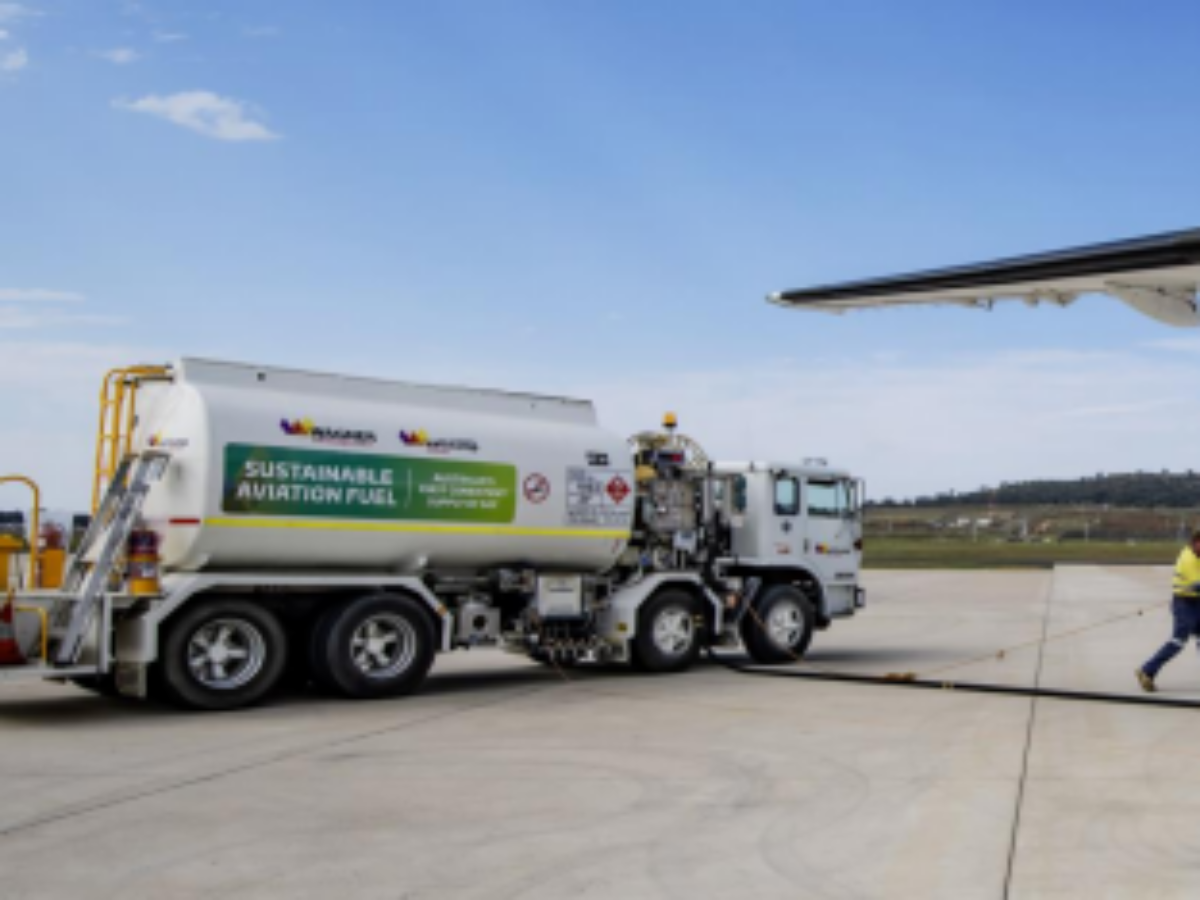
Wagner Sustainable Fuels and its partners have commissioned an Australian-first sustainable aviation fuel (SAF) blending terminal at Toowoomba Wellcamp Airport, which it says is also the first such blending terminal “co-located at an airport globally”.

“The launch of our Toowoomba Terminal is the start of our plans to deliver [decarbonisation] benefits and meet the aviation sector’s growing demand through flexible, efficient and scalable SAF blending,” said Matt Doyle, CEO of Wagner Sustainable Fuels, in a statement on Wednesday.
“With the support from Boeing, we’re focused on bringing large scale SAF and renewable diesel production to Australia and integrating it into the global supply chain through the Brisbane Recycling and SAF Facility, which is currently under planning and development.”
SAF is made from oil derived from renewable sources, such as municipal solid waste, agricultural byproducts and vegetable oils. It has been identified as a way for the aviation industry to operate with lower greenhouse gas emissions.
Wagner said the facility makes use of FlyORO’s AlphaLite technology and support from aerospace company Boeing.
FlyORO’s website states that its machinery is housed in a 40-foot container, able to provide up to 2,160,000 litres of blended fuel per day, and can enable blends “of any single D7566 fuel with Jet A1” at up to a 50 per cent blend of SAF to jet fuel.
“Current global regulations permit commercial aircraft to use up to a 50/50 blend of SAF and fossil jet fuel. This will continue to rise as additional production pathways are certified,” added Boeing’s head of Asia Pacific Sustainability, Dr Kimberly Camrass.
“Wagner’s commercial blending terminal is a powerful step forward in aviation decarbonisation, boosting regional employment and opening new export markets. It will also provide important learnings to support the development of robust and scalable SAF supply chains within Australia.”
The announcement added Wagner has also become the nation's first first RSB (Roundtable of Sustainable Biomaterials) certified SAF company.
Boeing announced in August last year that it had become an early investor in the sustainable aviation fuels division of the Wagner group, which also owns Toowoomba Wellcamp Airport.
The 2023 Boeing/CSIRO SAF Roadmap identified opportunities to develop a domestic SAF industry as well as the investment required in R&D to support emerging technologies. It predicted that jet fuel demand will grow by 75 per cent by 2050.
As reported by this title and others last year, Wagner, Boeing and others are partnered on a feasibility study on SAF production facility in Brisbane, with $760,000 support from the state government.
The Brisbane plant would use LanzaJet’s Alcohol-to-Jet (ATJ) process, converting ethanol from waste-based feedstocks, and with a planned capacity of 102 million litres of SAF and 12 million litres of renewable diesel per year.
Picture: supplied
Further reading
Licella, Shell partner to pursue biomass-to-aviation fuel processing
Manufacturing news briefs — stories you might have missed
Boeing and Wagner join to manufacture and utilise sustainable aviation fuels
$14 million committed to sustainable aviation fuel project in Townsville
Boeing invests in Wagner’s Brisbane SAF refinery, construction slated for 2026

More in this section
@aumanufacturing Sections
Analysis and Commentary Awards Casino reviews Defence Gambling Manufacturing News No deposit Bonus codes Online Casino Podcast Technology Videos