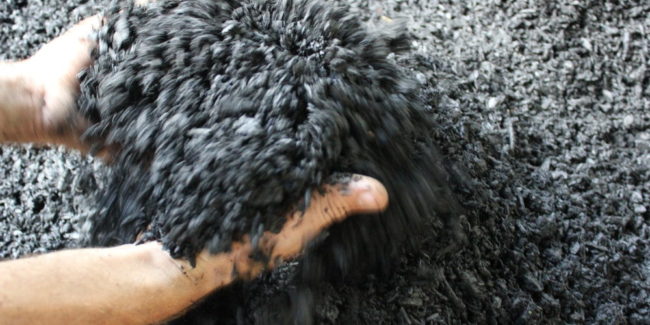
Australian-first, $28 million biosolids plant opened at Loganholme
Logan City Council has opened an Australian-first biosolids treatment plant, which turns sewage into energy and biochar, a fertiliser it believes has strong commercial potential.


Logan City Council has opened an Australian-first biosolids treatment plant, which turns sewage into energy and biochar, a fertiliser it believes has strong commercial potential.
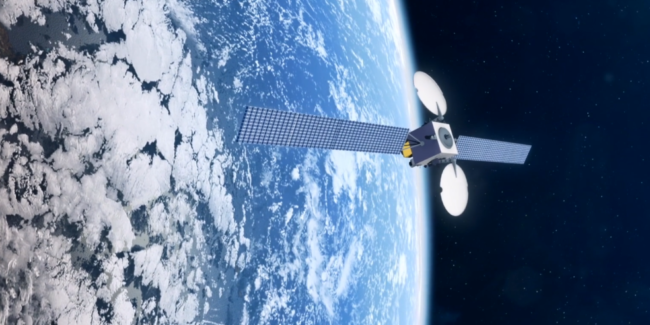
In space, no one can do without a team, according to the members of a new Sydney incubator. By Brent Balinski.
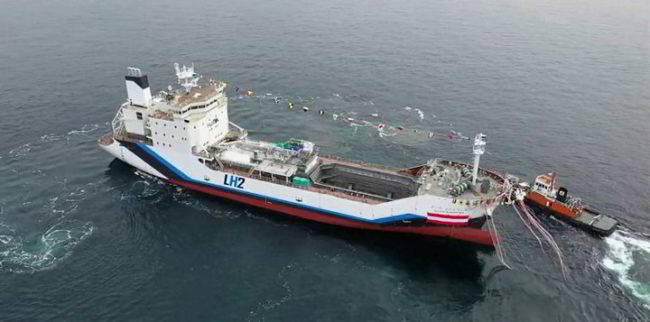
China is responsible for almost one-third of global emissions each year. It’s committed to becoming carbon neutral before 2060 – and producing green hydrogen is key to this plan. Australia is also pouring millions of dollars into green hydrogen technology. But China’s new plan could throw cold water on Australia’s dream of becoming a global hydrogen superpower.

Semiconductor startup milliBeam has announced a $750,000 seed investment round, which it says will help it accelerate development of its technology to improve mmWave 5G communications and build its design team, ahead of establishing an R&D centre in Sydney.
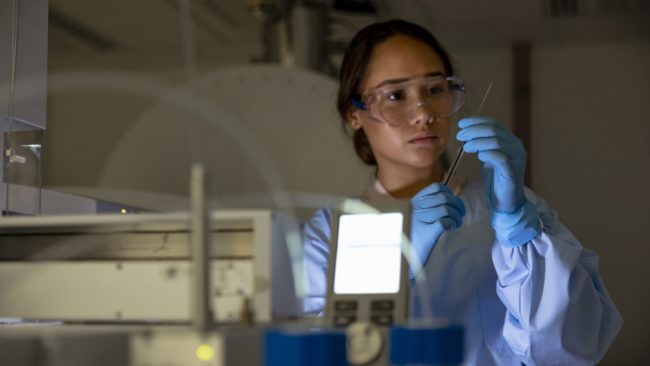
By Rajat Roy, Bond University and Vik Naidoo, University of Sydney The federal government is investing $2.2 billion for university research commercialisation which would place “university innovation and industry collaboration front and centre of Australia’s economic recovery.” Part of this funding includes $1.6 billion over ten years for Australia’s Economic Accelerator – a new competitive…

By Paul Haskell-Dowland, Edith Cowan University In the 2022 federal budget, Treasurer Josh Frydenberg launched a range of vote-winning initiatives – one of which included a breathtaking A$9.9 billion for cyber security over ten years. Bundled under the acronym REDSPICE (which stands for resilience, effects, defence, space, intelligence, cyber and enablers), the program is expected…
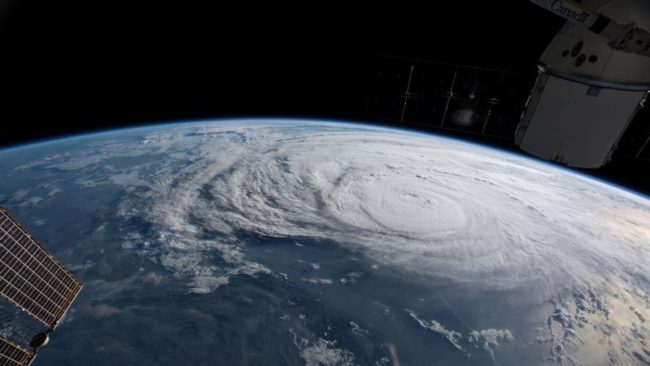
By Phil Bland, Curtin University In the past few years, Australia has formed its own space agency and launched a defence “space command”. Billions of dollars for defence, and hundreds of millions for civilian space, have been allocated from the public purse to develop capability in this growing sector. This funding covers the Moon-to-Mars Program,…
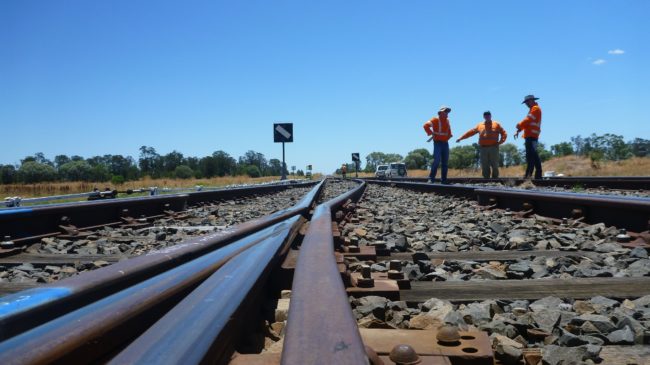
For years, decarbonising steel production has been seen as particularly challenging. But now, alternatives to the centuries-old practice of using coal to produce iron and steel are emerging. Researchers have been working on a number of new pathways to make steel with little or no emissions. The most promising process relying on the use of hydrogen.
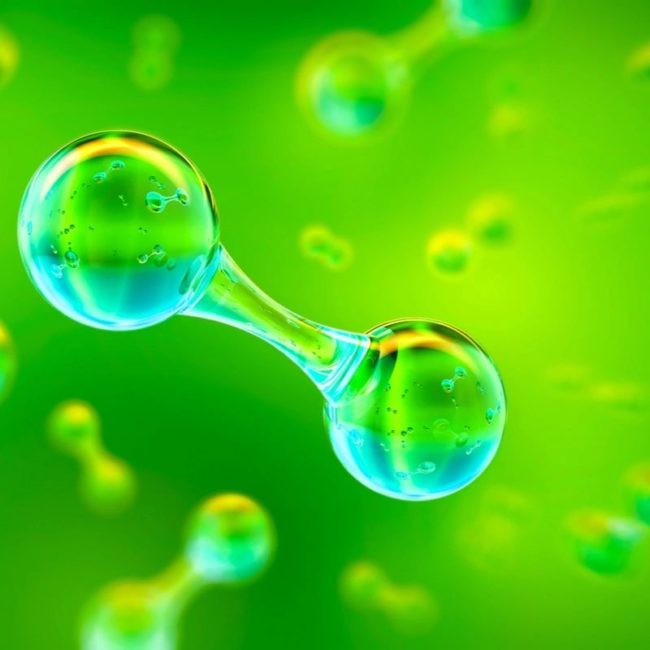
University of Wollongong green hydrogen spinout Hysata has published a paper in Nature Communications that it says earns global recognition for their new electrolyser approach, which is “on a clear pathway” to commercialisation and gigawatt-scale production.
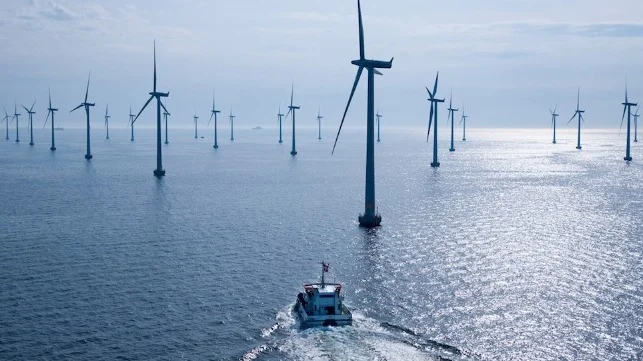
By Llewelyn Hughes, Crawford School of Public Policy, Australian National University and Thomas Longden, Australian National University Offshore wind is playing an important role in Europe’s shift to renewables. Australia’s excellent offshore resources now look like they are going to contribute to our own energy transition. Last week, the Victorian government announced ambitious targets for…